
Lyocell fabric
Eucalyptus and other wood cellulose. Cellulose is dissolved in a non-toxic solvent in a closed loop – almost all of it is recovered and reused.
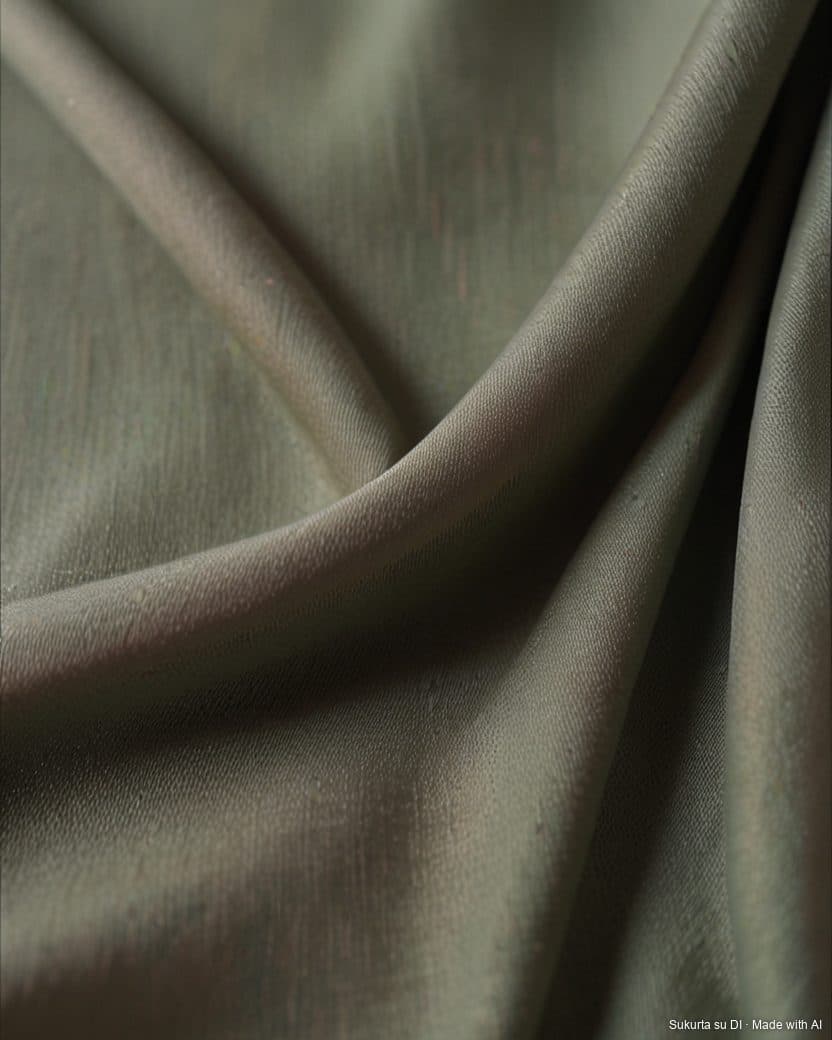
How it feels
Smooth, cool, with a heavy drape.
Season: Summer and hot days – it keeps you cool.
What it's used for
Shirts, trousers, dresses, denim, bedding.
Cool summer shirts, fluid trousers and lightweight denim – looks dressier than cotton.
Pros
- Strong even when wet
- Cleaner production than viscose
- Wicks moisture well
Cons
- Can fibrillate – go fuzzy from abrasion
Care: a typical label
Always follow your own garment's label – blends and finishes change the care.
How it's constructed
Twill weave. Threads pass over two or more crosswise threads, stepping along each row – making diagonal lines. Denser, drapier, hard-wearing and good at hiding marks.
A little history
Lyocell was developed in 1972 and commercialised in the 1990s as a cleaner alternative to viscose.
How to recognise it
Regenerated fibres are smooth, slightly lustrous, very drapey and cool to the touch. Noticeably weaker when wet. They burn smelling of paper, like cotton.
Sustainability
Renewable and biodegradable, but viscose production is chemical-heavy. Lyocell (Tencel) is made in a closed loop – the cleanest choice. Look for FSC or Lenzing EcoVero.
When buying
'Bamboo' on a label usually means viscose. Modal and lyocell shrink less than plain viscose – worth paying more for clothes you wash often.
Frequently asked
01What is lyocell?
Eucalyptus and other wood cellulose. Cellulose is dissolved in a non-toxic solvent in a closed loop – almost all of it is recovered and reused.
02Is lyocell a natural fabric?
Partly: the raw material is natural (wood cellulose) but the fibre is made chemically – it's regenerated, neither natural nor synthetic.
03Does lyocell shrink?
A little: lyocell can shrink 1–2%, mostly in the first wash.
04Is lyocell breathable?
Very well: lyocell is one of the most breathable fabrics – the coolest choice for hot weather.